




Nutritional advice from Juliette Cuvelier of Nutrition au féminin
- The most protective diet is a Mediterranean-type diet.
- Recommended diet = as varied as possible and rich in plant foods in order to maintain a healthy microbiota.
- A diet rich in antioxidants to fight oxidative stress.
- Correct deficiencies in iodine, iron, zinc, copper, magnesium, potassium, vitamins A, C, D and B.
Tips to “lighten up” when you have thyroid dysfunction
First and foremost, it is essential to enjoy your food on a daily basis! The ineffectiveness of restrictive diets has been widely demonstrated. It is therefore important to adopt new habits over the long term in order to preserve your health capital, feel fitter every day and feel good in your body and mind.
You take care of yourself by:
- Choosing quality products, preferably organic, local and seasonal
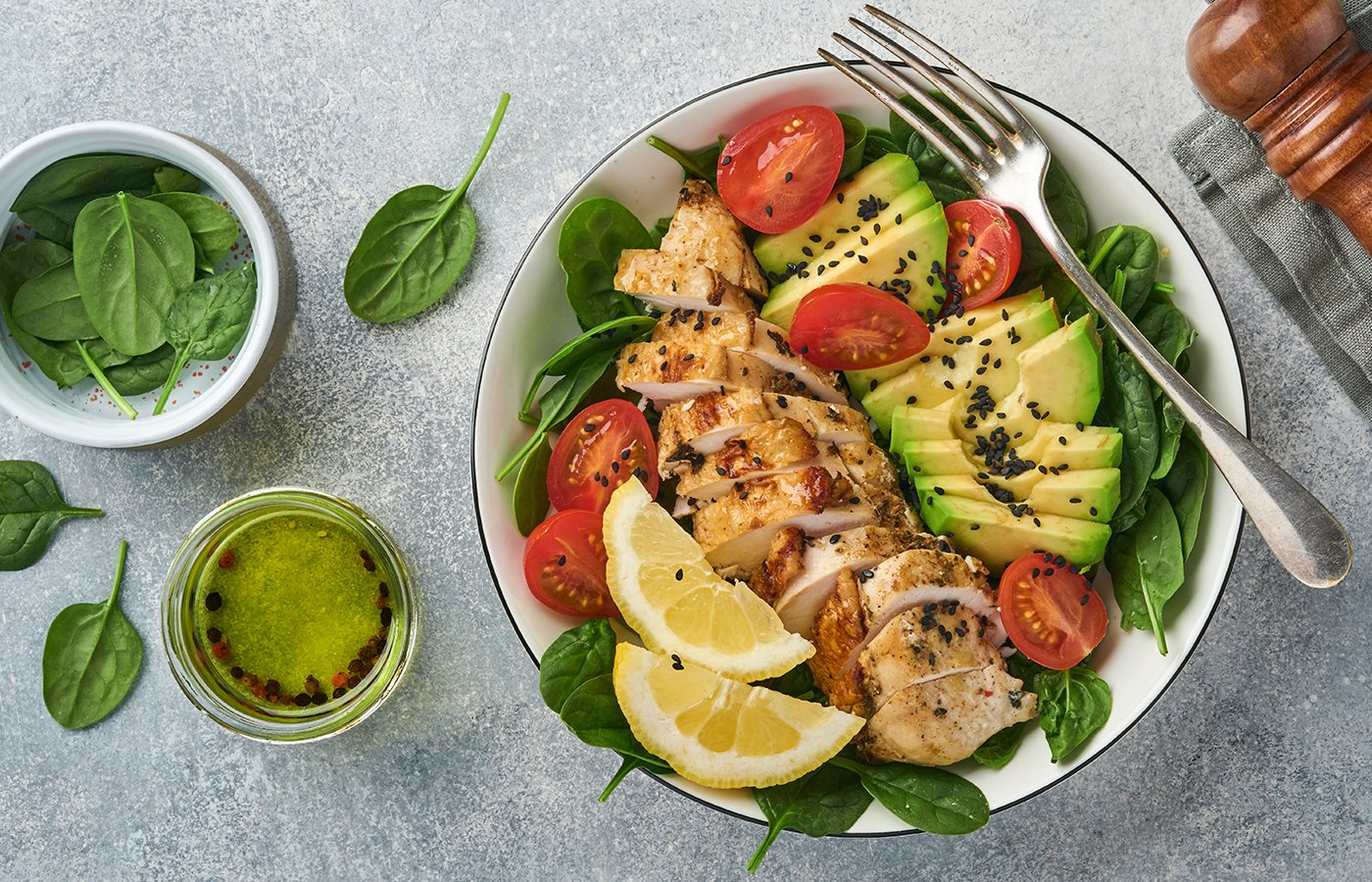
- Preparing beautiful colourful plates for yourself, with as much variety as possible
- Taking a calm moment to eat and enjoy the meal you have prepared

Summary of advice*
- Prefer organic, local and seasonal products
- Cook at home and choose raw, unprocessed foods
- Choose cooking methods that optimise the nutritional quality of foods = gentle steaming, cooking in parchment, quick wok stir-frying, low-temperature cooking (100–120°C), cooking with lemon juice (fish), covered cooking
- Include satiating foods daily (protein, fibre and good hydration)
- Animal or plant proteins at each meal
- Fibre: vegetables, whole grains, legumes
- Beta-glucan intake is very beneficial for regulating blood sugar and supporting a healthy microbiota (oats, bran)
- Hydration: 1.5L of water/day, green tea, herbal teas
- Build your meals with 50% plant foods
- Increase your omega-3 intake (small oily fish, walnut oil, flaxseed oil or rapeseed oil)
- Take time to eat (at least 20 minutes) in a calm environment and chew well, which supports better satiety and digestion
- Distribute meals properly throughout the day with a good breakfast, lunch as the main meal, possibly an afternoon snack, and an early light dinner
- Do not overconsume certain foods such as coffee, soft drinks, alcohol and high-glycaemic foods
Some chrono-nutrition principles
for regulating energy and weight
To optimise hormonal balance, energy and sleep quality, it is recommended to prioritise animal proteins in the first part of the day, especially at breakfast and lunch, in order to benefit from L-tyrosine intake, a precursor of thyroid hormones and dopamine.
In the mid-afternoon, a snack around 5 p.m., for example consisting of a piece of fruit with a handful of nuts or a few squares of dark chocolate with more than 70% cocoa, will provide tryptophan, which is essential for the synthesis of serotonin and melatonin, thereby contributing to better sleep and weight regulation.
Finally, in the evening, it is preferable to choose a vegetarian meal, or to include light animal proteins such as poultry or fish, which will also support sleep quality and weight balance.
Foods to monitor (but not exclude) in cases of hypothyroidism
Soy-based products containing isoflavones (especially in iodine deficiency)
- To be consumed away from medication and in reasonable quantities
Foods high in nitrates, as they inhibit iodine absorption
- Drinking water, medicines, certain processed foods
- Beetroot, spinach, fennel, endives
Goitrogenic foods that reduce iodine utilisation
- Kale, Brussels sprouts, turnip, Chinese cabbage, broccoli, radish
- Millet, cassava, sweet potatoes
- Especially when eaten raw, as cooking reduces the goitrogenic effect
- Occasional consumption is not a problem
Protein choices: Promote a good balance between plant and animal proteins
Animal proteins:
Eggs, meat, fish, cheese
- Organic eggs or eggs from Bleu-Blanc-Cœur channels enriched with omega-3
- Meat: prioritise white meat, limit red meat (beef, lamb, veal) to twice/week and processed meats to 150g/week
- Fish is valuable for its iodine, zinc, selenium and B-vitamin content: 2 to 3 servings/week => alternate white fish and oily fish (salmon, sardines, mackerel)
Emphasise small oily fish rich in omega-3 (herring, sardines, mackerel) and limit large fish (tuna, swordfish) due to heavy metal content.
- Cheese: limit to one serving/day maximum
- Dairy products: no low-fat products (plain yoghurts, skyr, fromage blanc)
Plant proteins:
Tofu, chickpeas, red beans, white beans, lentils, walnuts, almonds
Soy-based products should be limited and taken away from hypothyroidism treatment.
Limit the glycaemic load of meals
Choose quality carbohydrates to optimise energy, regulate blood sugar and support the microbiota nutritionally.
- Whole grains, legumes
- Fruits and unrefined sugars
Limit simple sugars in daily life, as they are a source of stress for the body, create inflammation, dysbiosis and consequently excess weight. They are found in industrial meals, industrial sandwich breads, overcooked white pasta and rice, pastries, cakes, etc.
Rebalance fat intake (dietary fats)
Quality fat intake helps limit inflammatory status, with a good omega-3/omega-6 ratio. Omega-3 intake contributes to weight regulation.
- Limit industrial meals and processed products (pastries, cakes, etc.) as much as possible, as they are rich in saturated fatty acids
- Butter: preferably consumed raw and in small quantities
- Cooking: prefer olive oil, cooking oils such as Isio 4, or coconut oil
- Dressings for salads, vegetables and fish: choose oils rich in omega-3 = walnut, camelina, flaxseed or rapeseed oil
Find out how NATHYREL can help you